

Advanced Driver-Assistance Systems (ADAS) Calibration and Maintenance: What You Need to Know
Your car is watching. Honestly, it is. Modern vehicles are packed with cameras, radars, and sensors that act as a digital nervous system, constantly scanning the road. This network powers Advanced Driver-Assistance Systems, or ADAS. You know, features like automatic emergency braking, lane-keeping assist, and adaptive cruise control.
But here’s the deal: these systems aren’t “set it and forget it.” They’re more like a high-precision instrument—a violin, maybe—that needs to be perfectly tuned to perform correctly. And that tuning? It’s called calibration. Let’s dive into why it’s so critical and what proper maintenance really looks like.
Why Calibration Isn’t Just Another Service
Think of your windshield camera, usually tucked up by the rearview mirror. Its job is to “see” lane markings, read speed signs, and spot pedestrians. Now, imagine that camera is just two degrees off. At 60 miles per hour, that tiny misalignment means the system is looking at a spot dozens of feet away from where it should. It’s like trying to thread a needle while looking over your shoulder.
Calibration is the process of precisely aligning these sensors to the vehicle’s factory specifications. When it’s off, the consequences aren’t theoretical. A mis-calibrated system might brake for a phantom obstacle. Or worse, it might not brake for a real one. That’s the stark reality.
Common Triggers for ADAS Calibration
It’s not just after a major crash. Honestly, lots of everyday services can knock things out of whack. If any of these happen, calibration is likely on the menu:
- Windshield Replacement: This is the big one. The camera mounts to the glass itself. New glass? That camera needs a fresh, perfect alignment.
- Front-End Repairs: Even a minor fender-bender can shift radar sensors hidden behind the bumper or grille.
- Wheel Alignment or Suspension Work: Changing the ride height or steering angle alters the car’s “stance,” which changes what the sensors see.
- Headlight or Bumper Replacement: Many sensors are integrated into these components. Disturb them, and you must recalibrate.
- Even a Simple Tire Change: Switching to a different tire size can alter the vehicle’s geometry enough to require a check. It’s that sensitive.
The Two Types of Calibration: Static vs. Dynamic
Not all calibrations are created equal. There are two main methods, and your car’s make and model dictate which one—or sometimes both—is required.
| Static Calibration | Dynamic Calibration |
| Performed in a controlled shop environment. | Performed on a clear, marked road. |
| Uses specialized targets and alignment fixtures. | Relies on the vehicle’s own software to “learn” as it drives. |
| Requires a perfectly level floor and specific lighting. | Requires a technician to drive following precise speed/distance protocols. |
| Typical for camera-based systems. | Common for radar and some combined systems. |
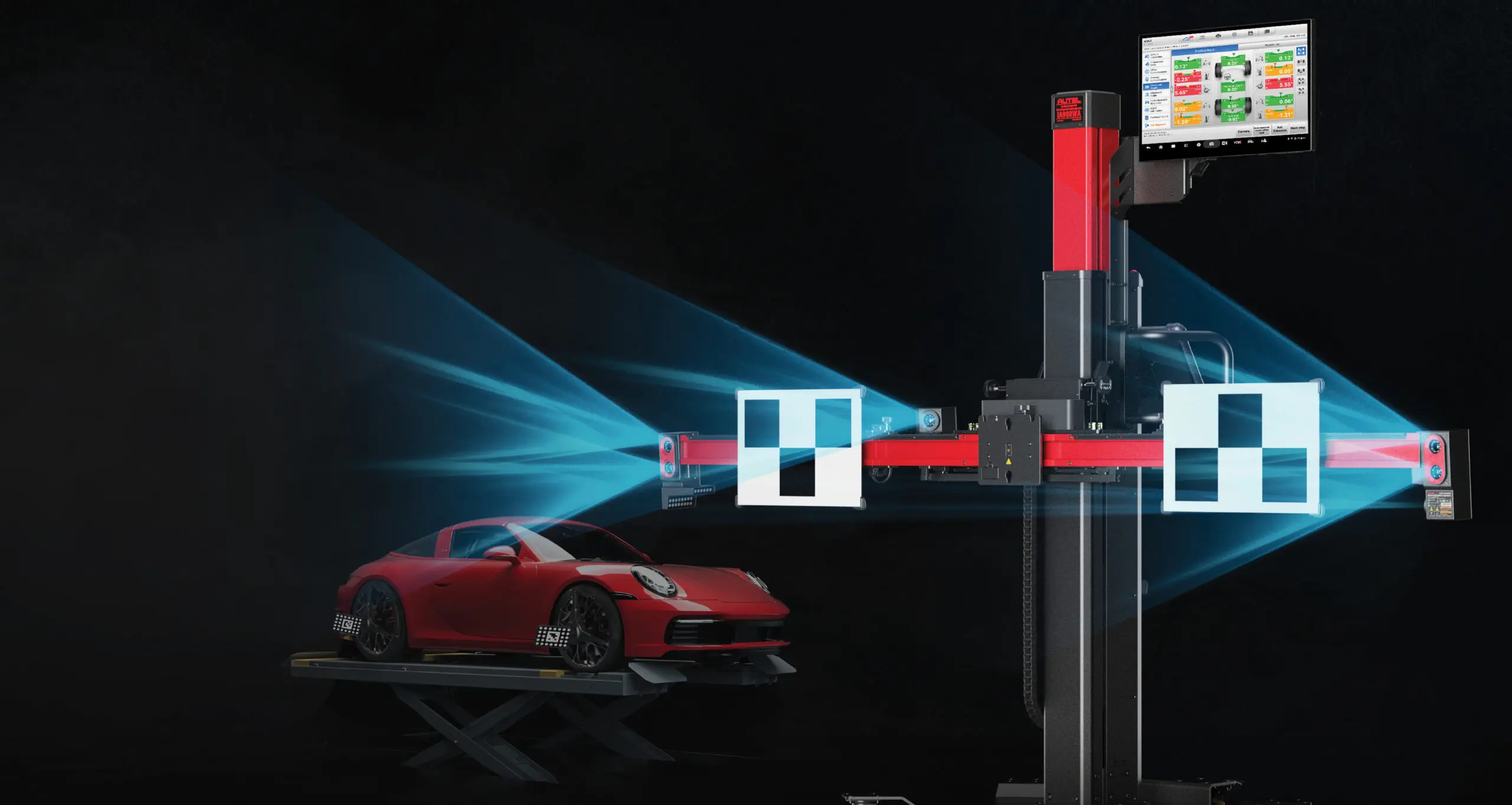
Static calibration feels like a science experiment. Technicians set up elaborate targets—checkerboard patterns, laser emitters—at exact distances from the car. The vehicle’s software then uses these reference points to reset its “eyes.” Dynamic calibration, on the other hand, feels more like a very specific test drive. The tech hooks up a scan tool and drives the car on a pre-approved road, allowing the system to self-adjust by observing lane lines and other objects.
Maintenance: It’s More Than Just Calibration
Sure, calibration is the headline act. But long-term ADAS health is about consistent, mindful upkeep. It’s the difference between a system that works and one that works reliably.
Keep It Clean – This Is Non-Negotiable
A dirty sensor is a blind sensor. A smudge of mud, a patch of ice, or even a stubborn bug splatter can completely obscure a camera lens or radar cover. Make cleaning the areas around these components part of your regular car wash routine. And I mean, get in there. The little window for the forward-facing radar in the grille? The rearview camera? Wipe them down. It’s a simple five-second task with huge implications.
Trust the Professionals (And Your Paperwork)
This is where you need to be, well, a bit stubborn. Always ask your repair shop: “Will this service require ADAS calibration?” Get the answer in writing. And after the work is done, request the calibration report. A reputable shop will provide documentation proving the work was done to OEM standards. No report? That’s a red flag.
Also, be wary of “generic” glass. An aftermarket windshield might not have the exact same optical properties as the OEM part. That can cause distortion the camera can’t cope with. Sometimes, saving a few bucks upfront can cost you in safety and performance down the road.
The Future Is Already Here: A Shifting Landscape
As we inch toward more automated driving, calibration is becoming central to vehicle ownership. Some new cars even perform continuous calibration on the fly, constantly checking and adjusting. The pain point right now? It’s a fragmented process. There’s no universal standard. The procedure for a Ford is wildly different from that for a Toyota or a Tesla.
This means independent shops are investing heavily in new tools, training, and—critically—real estate. Static calibration requires a dedicated, level bay that can’t be used for other work. It’s changing the very layout of repair centers.
Final Thoughts: Your Role in the Relationship
We’re in a new era of car care. Your vehicle is no longer just a collection of mechanical parts; it’s a sophisticated digital platform on wheels. Maintaining its ADAS isn’t an optional extra—it’s core to its function and your safety.
So, treat those sensors like the delicate eyes they are. Understand that even minor repairs have digital repercussions. And build a relationship with a service provider who gets it. Because when you rely on a system to help avoid an accident, you’re relying on a chain of perfect alignments—glass, metal, and silicon—all working in silent, precise harmony.
Categories
Pages
Recent posts
-
Electric Motorcycle Touring and Charging Infrastructure for Long-Distance Riders
There’s a certain romance to touring on two wheels. The… -

Hybrid Vehicle Cooling System Maintenance and Common Failures
DIY vs. Shop: Where to Draw the Line You can… -
In-Car Biometrics and Driver Monitoring for Elderly Safety
My grandfather used to say that getting older is like… -

Classic Car Restoration Using 3D-Printed Replacement Parts
There’s a certain smell to a classic car garage—the mix… -

3D-Printed Custom Brackets for Classic Car Restoration: The Modern Fix for Old-School Problems
There’s a moment every classic car restorer knows all too…
Ads

Ads
