

In-Car Biometrics and Driver Monitoring for Elderly Safety
My grandfather used to say that getting older is like driving a car with the headlights slowly dimming. You can still see the road, sure — but the edges get fuzzy, and the signs sneak up on you. That image stuck with me. And honestly, it’s a pretty good way to describe why in-car biometrics and driver monitoring systems are becoming such a big deal for elderly safety.
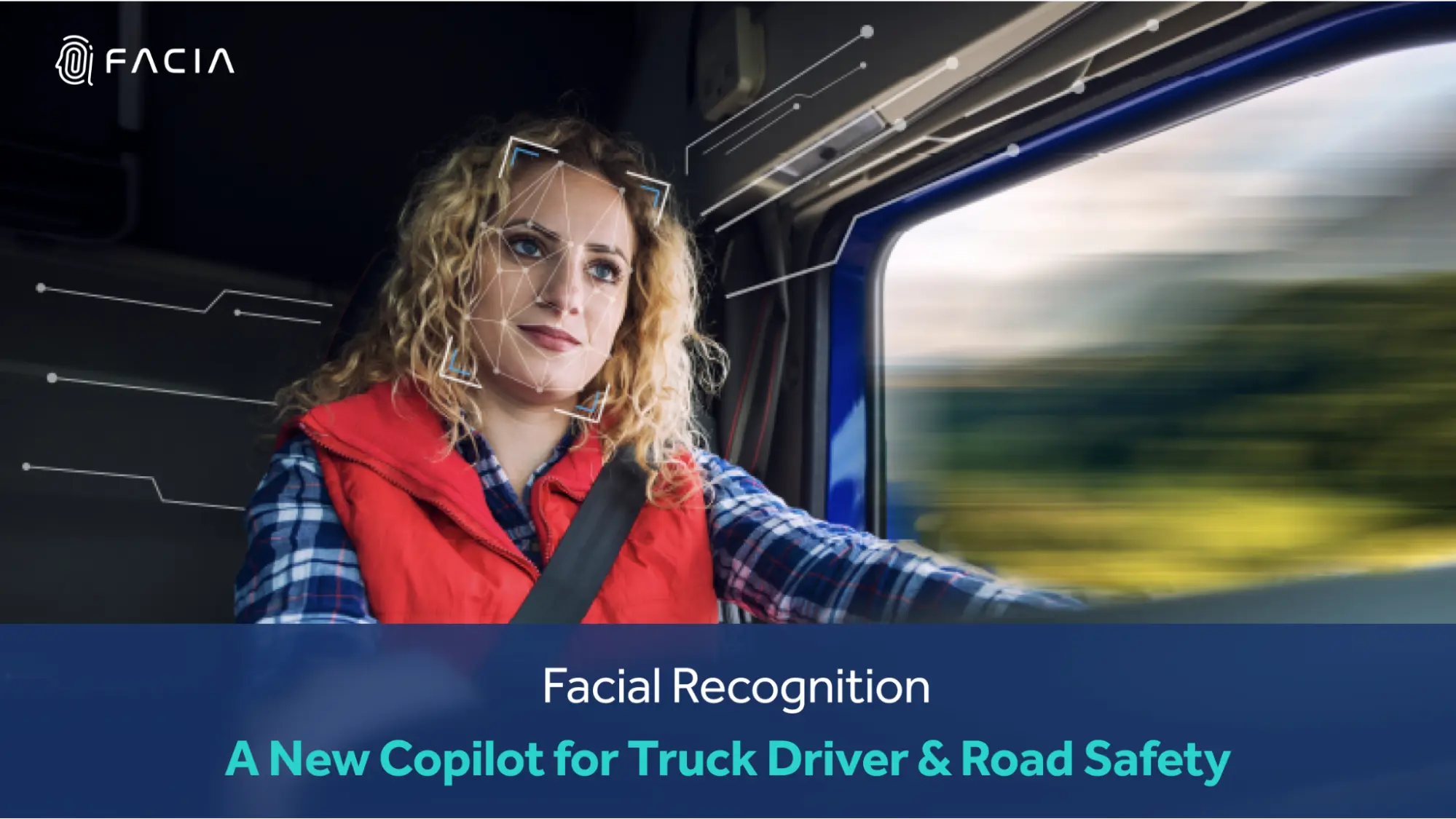
We’re not talking about sci-fi gadgets here. This is real technology, already showing up in new vehicles and aftermarket kits. It watches your eyes, your heart rate, your steering patterns — even your skin — to figure out if you’re okay behind the wheel. For older drivers, that kind of quiet co-pilot can mean the difference between independence and handing over the keys for good.
What Exactly Are In-Car Biometrics?
Let’s break it down without the jargon. Biometrics in a car means using sensors to measure your body’s unique signals. Think of it like a smartwatch, but built into the driver’s seat, steering wheel, and dashboard.
These systems can track things like:
- Heart rate and heart rate variability — a spike or a sudden drop can signal stress, fatigue, or a medical event.
- Eye movement and blink rate — long blinks or staring blankly often mean drowsiness or a microsleep.
- Facial expressions and head position — a drooping head or slack jaw? That’s a red flag.
- Skin conductance — basically, how sweaty your palms are. It sounds gross, but it’s a reliable stress indicator.
- Steering micro-corrections — older drivers with arthritis or neuropathy might make jerky movements. The system learns what’s normal for you.
And here’s the kicker: it doesn’t just collect data. It reacts. If you’re nodding off, the car might flash a light, vibrate the seat, or even pull over safely. That’s the difference between monitoring and actual intervention.
Why Elderly Drivers Need This More Than Anyone
Look, aging isn’t a disease. But it does change things. Reaction time slows. Night vision gets worse. Chronic conditions like diabetes or heart disease become more common. And medications? Well, some of them make you drowsy without warning.
According to the CDC, older adults are more likely to be injured or killed in a crash because their bodies are more fragile. In fact, drivers over 70 have higher fatality rates per mile driven than middle-aged drivers. That’s not because they’re bad drivers — it’s because a fender bender that a 30-year-old walks away from can be life-threatening for an 80-year-old.
So the goal isn’t to take away Grandma’s keys. It’s to keep her safe while she still has them. In-car biometrics do exactly that — they act like a guardian angel that never blinks.
How Driver Monitoring Systems Actually Work
You might be picturing a bunch of wires and clip-on sensors. Nope. Modern systems are mostly camera-based and radar-based, tucked discreetly into the rearview mirror or A-pillar.
Here’s the basic flow:
- Sense — Cameras and infrared sensors scan your face, eyes, and body position. Radar can even detect your heartbeat through your clothes.
- Analyze — Onboard computers compare your current state to your baseline. That baseline is built over the first few drives.
- Alert — If something’s off, you get a gentle nudge. A chime. A voice. A cold blast of AC. Escalating alerts if you don’t respond.
- Act — In advanced systems, the car can slow down, pull to the shoulder, and call emergency services.
It sounds simple, but the magic is in the calibration. A 25-year-old’s “normal” blink rate is different from a 75-year-old’s. Good systems adapt to you, not the other way around.
Real-World Benefits for Older Drivers
Let’s get concrete. What does this actually do for an elderly parent or grandparent?
| Scenario | Without Monitoring | With In-Car Biometrics |
|---|---|---|
| Early signs of drowsiness | Driver nods off, drifts into oncoming lane | Seat vibrates, chime sounds, driver wakes up |
| Sudden cardiac event | Driver loses consciousness, crash | System detects heart rate drop, pulls over, calls 911 |
| Medication-induced confusion | Driver gets lost, makes risky turns | System notices erratic eye movement, suggests pulling over |
| Night vision decline | Driver misses a stop sign | System doesn’t fix vision, but alerts to fatigue and low light |
That table isn’t hypothetical. Companies like Bosch, Seeing Machines, and Smart Eye are already deploying these features. Some are standard in luxury cars; others are aftermarket add-ons you can install in any vehicle.
The Privacy Elephant in the Backseat
Okay, let’s address the awkward part. If a car is watching your face and heart rate, who else sees that data?
It’s a fair concern. Honestly, it’s the number one pushback I hear from older adults. “I don’t want Big Brother riding shotgun.”
The good news? Most reputable systems process data onboard — meaning it never leaves the car. No cloud upload, no insurance company spying on you. The bad news? Regulations are still catching up. Some automakers are vague about what they collect and share.
My advice: look for systems with a clear privacy policy and a physical camera shutter. If you can’t find that info, walk away. Safety shouldn’t come at the cost of dignity.
What to Look For If You’re Shopping for an Elderly Driver
Not all driver monitoring systems are created equal. Here’s a quick checklist:
- Infrared capability — works at night and through sunglasses.
- Customizable alerts — volume, type, and intensity. A loud beep might startle someone with hearing aids.
- Emergency response integration — can it call for help automatically?
- No subscription required — some features stop working after a trial period. Avoid that trap.
- Easy override — the driver must be able to disable alerts if they’re false alarms. Otherwise, frustration wins.
And please, don’t just buy a gadget and assume it solves everything. Have a conversation. Test it together. The tech is a tool, not a replacement for family check-ins.
The Road Ahead (Pun Totally Intended)
In-car biometrics are moving fast. Within five years, I’d bet they’ll be as common as backup cameras. We’ll see systems that detect stroke symptoms, predict fainting spells, and even coach older drivers on safer habits.
But here’s the thing. Technology can’t replace judgment. It can’t replace the tough conversation about when to stop driving. What it can do is buy time — more safe miles, more independence, more moments of feeling like yourself.
My grandfather eventually gave up his keys. Not because he had to, but because he chose to. He said, “I’d rather stop while I still remember the road fondly.” I think he would have loved a system that let him hold on a little longer — not by lying to him, but by watching his back.
And that’s really what this is about. Not surveillance. Not control. Just a quiet, steady presence that says: I see you. I’ve got you. Keep going.
Categories
Pages
Recent posts
-
Sustainable and Eco-Friendly Auto Parts Manufacturing Materials
Walk through any auto plant and you’ll notice something shifting.… -
3D Printed Replacement Parts for Discontinued Vehicle Models: A New Lifeline for Old Rides
There’s a special kind of heartbreak that comes when your… -
Electric Motorcycle Touring and Charging Infrastructure for Long-Distance Riders
There’s a certain romance to touring on two wheels. The… -

Hybrid Vehicle Cooling System Maintenance and Common Failures
DIY vs. Shop: Where to Draw the Line You can… -
In-Car Biometrics and Driver Monitoring for Elderly Safety
My grandfather used to say that getting older is like…
Ads

Ads
